2025 in Tech: A Year of Outages, AI Races, and Power Plays

Power and possibility collided in 2025, reinventing what technology could mean. From solar-powered data centers in space to billion-dollar AI cities rising from Texas to Alberta, the year’s biggest tech headlines rewired how power, data, and ambition collide.
Here are the 10 stories that defined the most volatile — and visionary — year in tech yet.
Google unveiled plan to power AI data centers from space

Google’s Project Suncatcher took the company’s moonshot spirit literally, exploring how satellites powered by continuous sunlight could run machine-learning workloads above Earth. The plan calls for launching prototype servers equipped with Google TPUs by 2027 in partnership with Planet Labs, a first step toward turning space into a solar-powered compute grid.
Cloudflare’s back-to-back outages broke the web twice in two weeks

On Nov. 18 and again on Dec. 5, millions lost access to major platforms, including Spotify, LinkedIn, and Canva, after two global Cloudflare outages. The incidents disrupted web traffic worldwide, triggering HTTP 500 errors and service failures across multiple sectors.
Cloudflare said the problems stemmed from API and dashboard issues, though full details remain undisclosed. The twin breakdowns showed how a single provider handling nearly 20% of global web traffic can bring parts of the internet to a standstill.
184M logins leaked from exposed database spanning tech giants

A massive 47GB database, left unprotected online, revealed credentials for Microsoft, Google, Apple, Facebook, and PayPal accounts. Security researcher Jeremiah Fowler discovered the trove, which appeared linked to infostealer malware.
While no misuse was confirmed, the leak demonstrated the scale of modern credential theft and the fragility of user data.
Gmail-linked credentials surfaced in record-breaking breach

Another 3.5TB dataset of stolen logins emerged, including 183 million accounts and 16.4 million Gmail addresses, many of which were new to public breach databases. The dataset, tied to infostealer malware, wasn’t hosted on Google’s servers but on infected personal devices.
Experts warned it could fuel widespread phishing and credential-stuffing attacks across the web.
iPhone 17 Pro drew a new line between pro and standard

Apple kicked off the iPhone 17 Pro era with upgrades for creators and professionals.
The Pro and Pro Max models add vapor-chamber cooling for steadier performance and lidar scanning for enhanced depth mapping. With USB 3 transfer speeds, 2 TB of storage, and full ProRes RAW video capture, they’re built for serious shooting, editing, and on-the-go production.
Trump threatened tariffs as Apple resists moving iPhone production home
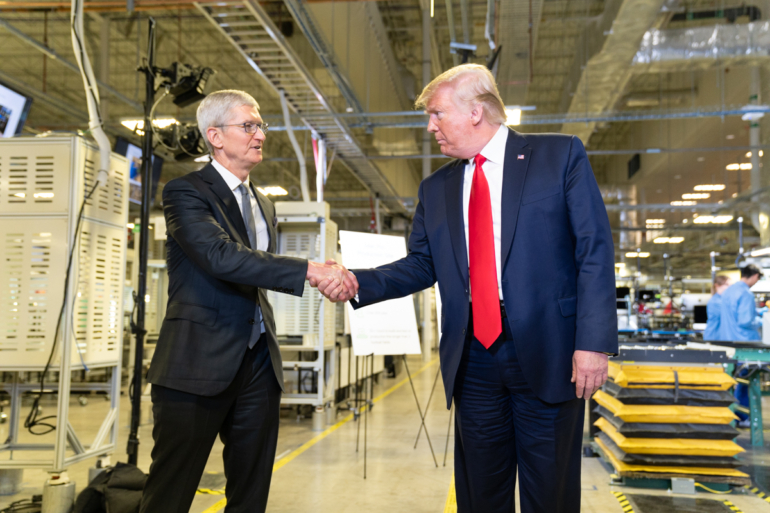
President Donald Trump reignited trade tensions with a warning: a 25% tariff on iPhones made outside the US. His remarks followed Tim Cook’s decision to expand production in India and Vietnam instead of relocating to American soil.
The dispute tested Apple’s global strategy and a once-cordial relationship with the White House.
Apple and Starlink clashed in a race for satellite dominance

A quiet rivalry turned open as Apple’s Globalstar partnership collided with Elon Musk’s Starlink expansion. SpaceX reportedly urged US regulators to delay Apple’s direct-to-device satellite rollout, escalating a high-stakes fight for orbital spectrum and control over mobile coverage in remote areas.
The clash follows failed talks between the two companies to collaborate on satellite connectivity, and industry analysts say the standoff could shape who dominates the next generation of global communications.
OpenAI uncovered China-linked operations using ChatGPT for surveillance
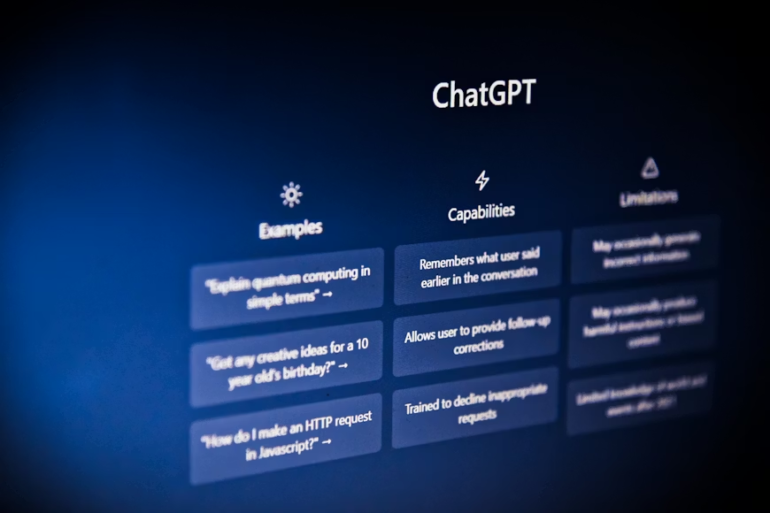
As reported on our sister site eWeek, OpenAI uncovered that state-aligned actors in China were using ChatGPT and Meta’s Llama models to build surveillance and propaganda tools.
Dubbed Peer Review and Sponsored Discontent, the campaigns produced Spanish-language disinformation and code for tracking Western protests, the first known case of AI models fueling state-level monitoring.
$500B Stargate project makes Texas the center of AI infrastructure
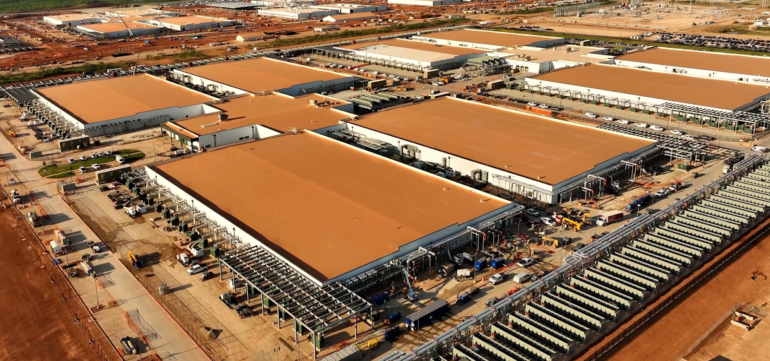
OpenAI, Oracle, and SoftBank broke ground on Stargate, a half-trillion-dollar AI data center network beginning in Abilene, Texas.
The 900-acre site is the first in a planned chain of massive facilities, each packed with 50,000 Nvidia Blackwell chips and powered by a dedicated 1.2-gigawatt natural gas plant. Construction is led by Crusoe Energy, with the first phase slated to go live in 2025 and expansion already planned for Amarillo and Oregon.
OpenAI CEO Sam Altman called Stargate the backbone of America’s AI infrastructure. However, skeptics warned it risks becoming the most expensive experiment in compute history.
‘Shark Tank’ investor Kevin O’Leary backs world’s largest off-grid AI complex

Investor and TV personality Kevin O’Leary — best known as “Mr. Wonderful” on Shark Tank — unveiled his latest venture, the Wonder Valley AI complex, at Data Center World 2025 in Washington, D.C. He called data centers “today’s gold rush,” introducing a 7.5-gigawatt project in Alberta, Canada, designed to run off-grid on stranded natural gas and feed energy back to local communities.
The project blends profit with public appeal, promising jobs, training, and lower local power costs as it stakes a bold claim in the new data gold rush.
How 2025’s scale sets the stage for 2026
For all its breakthroughs, 2025 was defined by magnitude. The world watched data centers swell into cities, algorithms spill into geopolitics, and outages remind everyone just how centralized the internet has become. Progress and pressure shared the same pulse, and every leap forward came with a larger shadow.
Organizations learned that resilience was paramount and that complexity — once a badge of innovation — had become a liability. Security teams found themselves navigating an environment where every system was interconnected, yet no one agreed on where the boundaries truly were. The year’s triumphs made headlines, but its fault lines whispered louder.
Take a closer look at the trends that could rewrite cybersecurity playbooks in 2026.